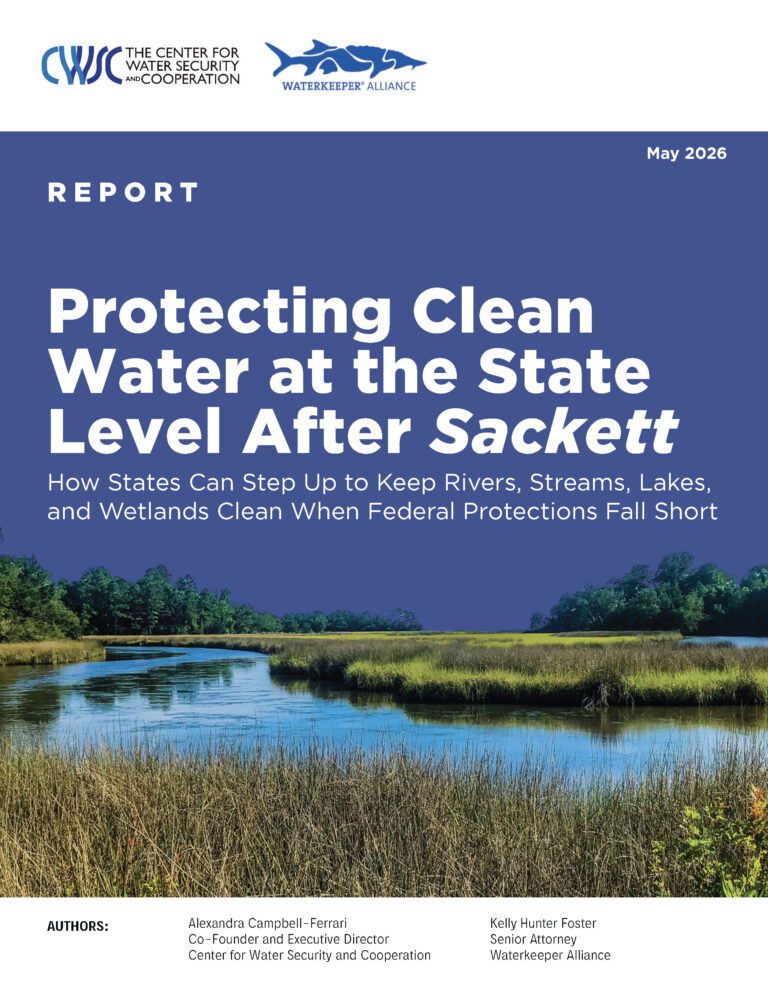
Protecting Clean Water
For decades, the U.S. Clean Water Act has helped reduce pollution in rivers, lakes, streams, and wetlands by setting clear rules and holding polluters accountable.
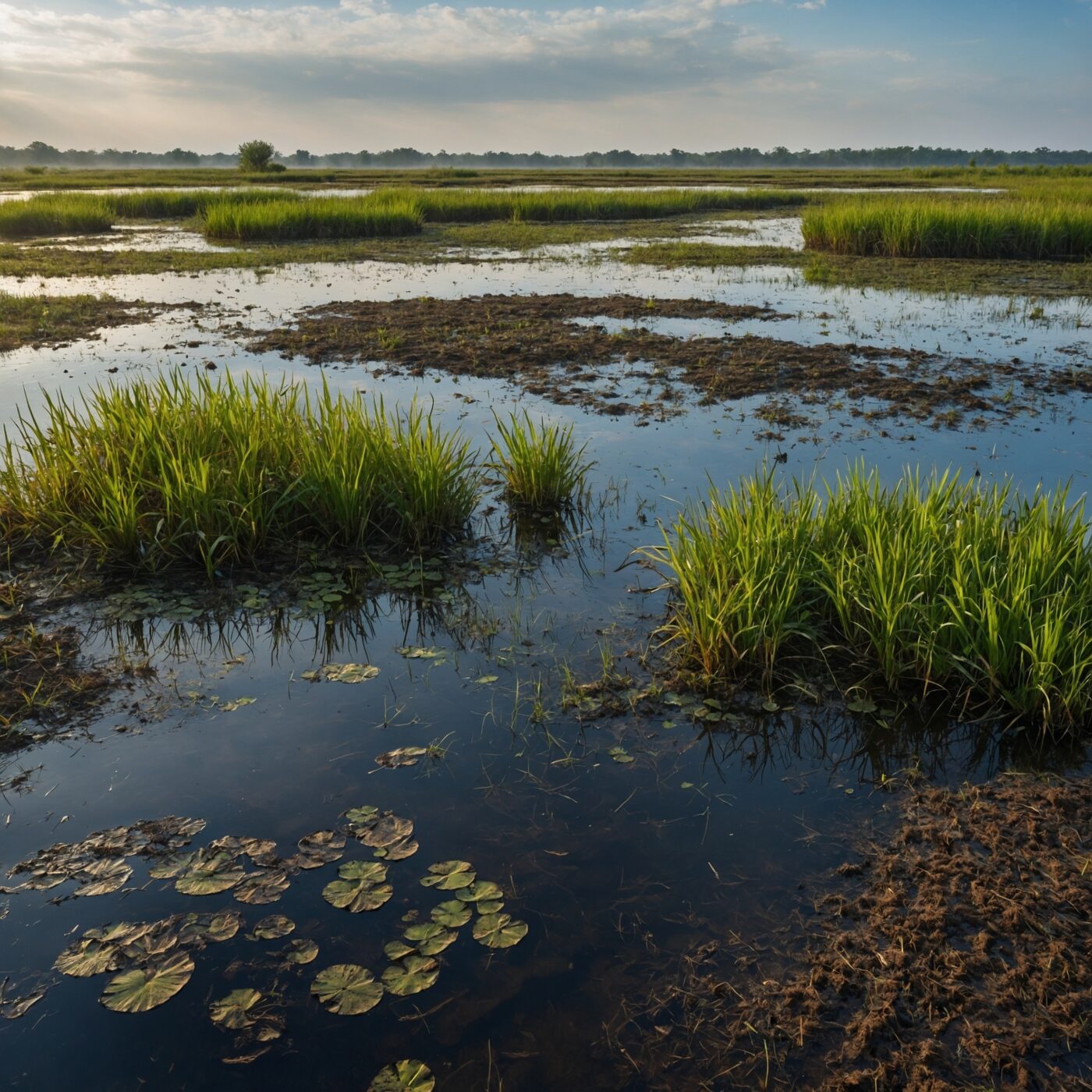
Recent rollbacks are threatening that progress, leaving millions of acres of wetlands and thousands of miles of streams without federal protection.
States can step in to help fill the gap.
Scroll down to learn more.
The Clean Water Act has protected America's waters for more than 50 years.
Since 1972, this landmark environmental law has helped reduce pollution in rivers, streams, lakes, and wetlands by setting limits on harmful discharges and supporting efforts to restore degraded watersheds across the country.
But recent changes have weakened many of those protections.
In 2023, the U.S. Supreme Court’s decision in Sackett v. EPA narrowed which waters are covered under federal law. As a result, many wetlands and streams are no longer clearly protected, leaving gaps in federal safeguards for some waterways.
This is a devastating blow as rivers, streams, lakes, and wetlands are deeply connected within larger watershed systems. Harm to one can affect water quality elsewhere, putting our drinking water supplies and critical ecosystems at risk.
What Are We Doing To Help?
Waterkeeper Alliance has spent years defending strong clean water protections under the Act in the courts of justice and public opinion, filing lawsuits, an amicus brief, and challenging efforts by the U.S. Environmental Protection Agency and U.S. Army Corps of Engineers to narrow the definition of “waters of the United States.”
As federal protections have been reduced, states can step in to strengthen safeguards for vulnerable waterways.
Waterkeeper Alliance and the Center for Water Security and Cooperation have created a practical playbook for strengthening water quality protections at the state level. The report identifies concrete opportunities for states to reinforce existing laws and regulations, strengthen water quality standards, and promote more consistent protections across shared watersheds.