
Waterkeeper Alliance Condemns EPA Plan to Leave Most U.S. Waters Unprotected
By: Waterkeeper Alliance
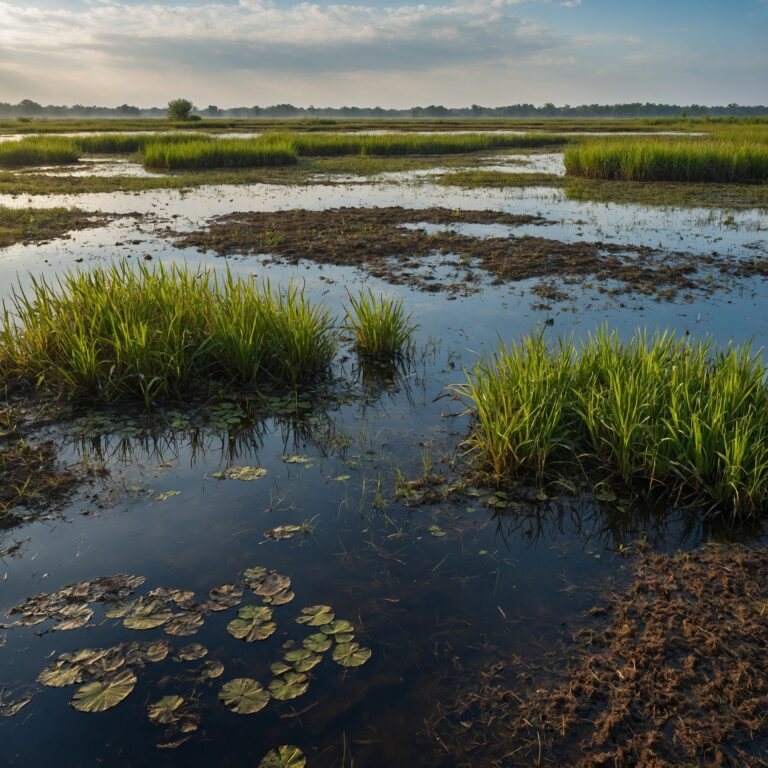
The Environmental Protection Agency (EPA) and the Army Corps of Engineers have proposed further narrowing the definition of “waters of the United States” (WOTUS), potentially eliminating Clean Water Act (CWA) protections for the majority of the nation’s waters.
The supplemental proposed rule was released just before the U.S. Labor Day holiday, and the agencies are giving the public only 30 days to respond, with comments due October 9. Waterkeeper Alliance is preparing a comment and is encouraging the public to speak up as well through this action alert.
The proposal would limit federal protections for tributary rivers, streams, and lakes to those with standing or continuously flowing water throughout the year, during ordinary conditions. It would also sharply narrow protections for wetlands, requiring them to have continuous, perennial surface water connections to another protected water or, alternatively, be indistinguishably part of a traditional navigable water, the territorial seas, a jurisdictional impoundment, or a jurisdictional tributary.
This extreme reinterpretation would strip federal safeguards from countless rivers, streams, lakes, wetlands, and other vital waterways—undermining decades of clean water protections and threatening water quality across the country. Without federal oversight, these waters face increased risks from pollution, endangering clean drinking water, recreation, fisheries, and aquatic life.
In response, Waterkeeper Alliance Senior Attorney Kelly Hunter Foster released the following statement:
“If this proposal is finalized, at least 95% of individual wetlands and 79% of rivers and streams in the continental U.S. could be left vulnerable to pollution and destruction without federal protections. It would be the most consequential attack on clean water since the Clean Water Act was passed in 1972. EPA is threatening our drinking water, local economies, and public health when its job is to protect human health and the environment. Waterkeeper Alliance has been fighting for these protections for years, and we will continue defending the clean water that every community needs and deserves.”
The CWA was already severely weakened following the Supreme Court’s 2023 decision in Sackett v. EPA, in which the Court dramatically revoked protections for thousands of bodies of water across the country.
The agencies’ supplemental proposed rule takes these rollbacks even further and is part of EPA Administrator Lee Zeldin’s broader agenda to weaken environmental safeguards, including revising wastewater regulations for coal-burning power plants, rolling back coal ash management requirements, reconsidering the Mercury and Air Toxics Standards, and scaling back Clean Water Act Section 401 protections that have historically allowed states and tribes to review and block harmful water pollution projects.
Since being in office, Zeldin has also withdrawn standards that could have cleaned up water pollution from slaughterhouses, announced plans to weaken national PFAS drinking water standards, and ordered the closure of EPA offices responsible for addressing disproportionate pollution in low-income and rural communities and communities of color.
Collectively, these actions attempt to reverse more than five decades of progress to reduce highly toxic and dangerous pollutants from the environment and protect critical water resources from dangerous development projects.
From challenging rollbacks like the 2015 “Clean Water Rule” to filing lawsuits against the 2019 “Waters of the United States” definition, Waterkeeper Alliance has remained committed to ensuring that federal safeguards for clean water are upheld. In 2022, the organization filed an amicus brief with the U.S. Supreme Court to protect the Clean Water Act. Now, with Administrator Zeldin’s latest actions, including weakening safeguards for wastewater regulations and clean water protections for the nation’s waterways, Waterkeeper Alliance is more determined than ever to fight these rollbacks, engage in the public stakeholder process, and protect clean water for all communities.