
U.S. EPA Warns of Microplastics and PFAS Danger, Offers No Solutions
By: Jacqueline Esposito
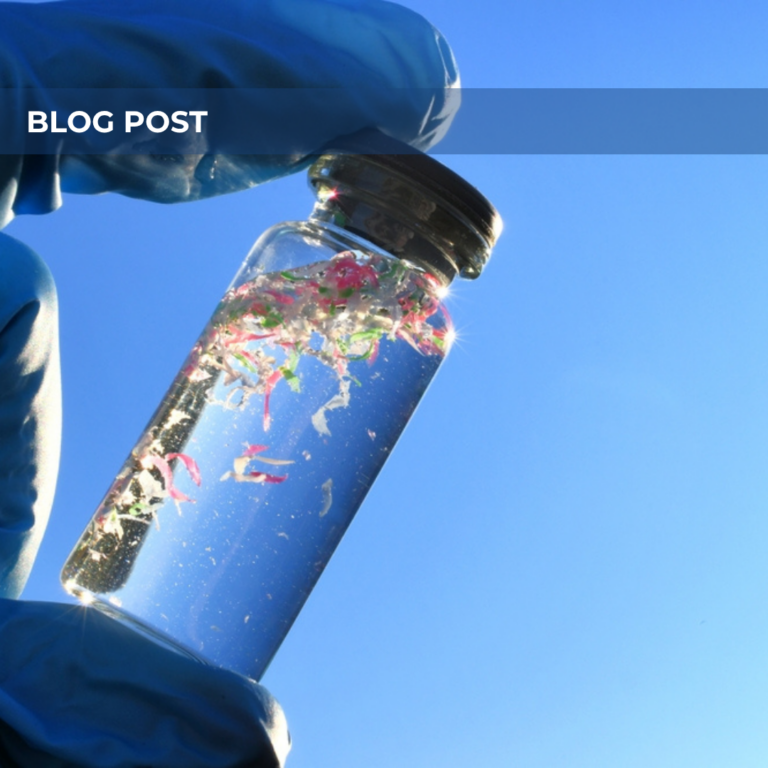
Last week, the U.S. Environmental Protection Agency (EPA) announced that microplastics and a broad class of PFAS will be added to its draft Contaminant Candidate List for drinking water. A move that signals growing federal recognition of a widespread and deeply concerning form of pollution.
At an April 2 roundtable hosted by federal health and environmental agencies, Trump administration officials openly discussed mounting evidence linking microplastics to serious human health risks. Notably absent from that conversation was any plan to regulate or reduce these exposures.
Senior officials emphasized just how pervasive plastic pollution has become, acknowledging that microplastics have been detected in human blood, lung tissue, the liver, kidneys, and even the placenta. According to administration officials, in one set of samples, all 62 placentas tested contained microplastics. They went on to explain that some estimates suggest the average person may carry the equivalent of a spoonful of plastic in their brain.
The message was clear: the threat is real, widespread, and already inside our bodies.
When Recognition Isn’t Enough
Despite clear data showing the harm these known toxins pose to our communities, the government is failing to ensure adequate protection. Waterkeeper Alliance has been actively working to close that gap and demand accountability. This announcement comes after sustained advocacy by our organization to expose the scale of microplastic and PFAS contamination and hold the Trump administration responsible for its inaction. While EPA’s announcement signals growing awareness of the problem, it falls short of providing the solutions we have consistently called for: enforceable drinking water standards for PFAS as a class and microplastics, limits on industrial discharges, phaseouts of nonessential uses of PFAS, and meaningful source reduction of microplastics to stop contamination at its source.
In fact, even as federal officials acknowledge the risks posed by emerging contaminants, EPA is moving in the opposite direction on one of the most well-established threats. The agency is taking steps to weaken and delay implementation of the first-ever national drinking water standard for PFAS.
The contradiction is stark. At the same time EPA is weakening enforceable limits for PFAS in drinking water, Administrator Lee Zeldin is pointing to the addition of those same chemicals to a list for potential future regulation as evidence of progress.
The Harms Are Well-Documented
EPA’s announcement underscores a reality that is no longer in dispute: microplastics are everywhere including in drinking water and the human body. Emerging research links microplastics to a growing list of health concerns, including impacts on metabolism, liver function, and gut health.
The harms of PFAS are even more clearly established. These “forever chemicals” persist in the environment and in our bodies, and have been linked to cancer, immune system suppression, and developmental harm. Science is not the barrier. The real obstacles are weak policies, missing enforcement, and political will that protects corporate polluters over people.
Listing Is Not Regulating
Adding microplastics and PFAS to the Contaminant Candidate List initiates a process; however, it does not protect anyone. Without enforceable limits, source reduction, and a clear pathway to regulation, this announcement is little more than a holding pattern that allows contamination to continue unchecked. Meanwhile, communities continue to drink polluted water.
A Troubling Contradiction on PFAS
The most telling part of last week’s announcement is not what EPA included; it is what the agency is doing at the same time. Even as EPA acknowledges the dangers of PFAS, it is moving to weaken the very safeguards designed to limit exposure. Last year, the agency announced plans to extend the compliance deadline for national PFAS drinking water standards and rescind limits for several of these pervasive compounds altogether. EPA is recognizing the danger of these chemicals while simultaneously delaying and dismantling the rules meant to protect people from them.
There Is No Going Back
By adding microplastics and additional PFAS to its contaminant list, EPA has crossed an important line: it has formally acknowledged that these contaminants are present in drinking water and pose risks to human health. That acknowledgment demands action.
Communities across the country are already living with contamination. Without enforceable drinking water standards, limits on industrial discharges, phaseouts of nonessential uses, and meaningful source reduction, pollution will continue to outpace our ability to respond.