
From the Middle of the World: Reflections From the 2026 Waterkeeper Alliance Global Conference
By: Waterkeeper Alliance

For one unforgettable week, Waterkeepers from around the world gathered in Quito, Ecuador, for the 2026 Waterkeeper Alliance Global Conference.
Hosted by Guayllabamba Waterkeeper Patricio Chambers and his family, the conference brought together people working every day to protect rivers, lakes, coastlines, and communities. From the conference rooms of Quito to the banks of the San Pedro River, the week was filled with learning, action, cultural exchange, and the connections that make the Waterkeeper movement so impactful.
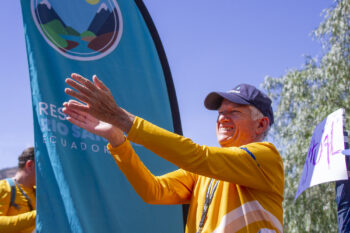
This year’s theme, “Water Quality and Pollution Control,” reflected one of the most urgent challenges facing communities around the world. Untreated wastewater, urban stormwater, industrial pollution, extractive industries, damaged watersheds, inadequate sanitation, and increasingly extreme weather events are putting water quality and public health at risk.
Waterkeepers are on the frontlines of these challenges, using science, advocacy, legal tools, community organizing, and education to protect clean water.
Coming Together in Quito
The conference opened with a stirring performance by Coro Mixto Ciudad de Quito, a professional vocal ensemble dedicated to Ecuadorian and universal choral art.
Attendees were also welcomed by Pabel Muñoz, mayor of Quito, and Dr. Rosalia Arteaga, former interim president of Ecuador and current global ambassador for Waterkeeper Alliance. Their remarks highlighted Quito’s rich cultural history, its environmental and water challenges, and the importance of education, connection, and collective action.
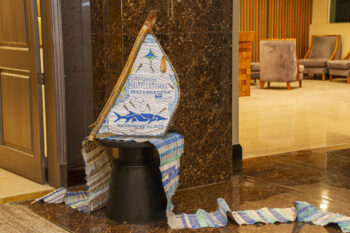 Throughout the conference, the meeting space explored Quito’s hidden rivers through art and storytelling. The River Spirit Collective, or Colectivo Rescate Rio San Pedro, presented a collection of work including a river loom woven from recycled materials by community members and led by local artist, Camola Valarezo; River Symbols created by young participants in the collective’s photographic lab; photographs of Samayuio, Quito’s river spirit; and an augmented-reality map highlighting one of the city’s ancient water streams. Conference photographer Mónica Aguilar curated the photographic exhibits.
Together, these works offered another way to understand Quito’s waterways—not simply as infrastructure or resources, but as living parts of a community’s history, culture, and identity. To learn more about the River Spirit Collective and its work, visit espirituderio.com.
Sharing Knowledge, Building the Movement
The conference’s learning sessions provided opportunities for Waterkeepers to exchange practical tools, hard-earned lessons, and successful strategies from their own communities.
Sixteen breakout sessions explored topics ranging from organizational leadership and fundraising to community science, environmental law and enforcement, source-water protection, storytelling, PFAS, pollution prevention, and opportunities to learn more about Ecuador’s unique relationship with water, including local water protection efforts and the country’s constitutionally enshrined Rights of Nature principle.
These conversations were about more than professional development. They were opportunities to learn from one another and bring new ideas home.
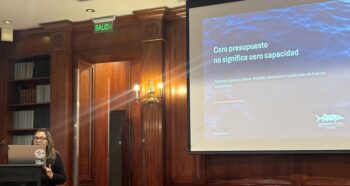
One particularly significant outcome was the expansion of collaborative PFAS work in Latin America. Following a session led by Liliana Guerrero, Bocas de Cenizas Waterkeeper in Colombia, six Waterkeeper groups agreed to work together with Bocas de Cenizas Waterkeeper on PFAS monitoring, education, and advocacy in the region: Guayllabamba Waterkeeper, Cartagena Waterkeeper, Los Cabos Waterkeeper, Loreto Coastkeeper, Serrano Waterkeeper, and Lake Atitlán Waterkeeper.
From the Conference Room to the River
On the third day, Waterkeepers moved from conversation to action during a special minga at the San Pedro River.
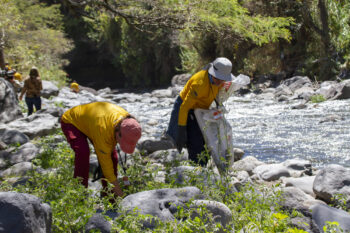
A minga is a longstanding tradition of collective community work. The word comes from the Indigenous language of Kichwa and describes a way of meeting community needs through shared effort, with each person contributing their skills and abilities.
Waterkeepers participated in a river cleanup, removed invasive plants, created artwork from collected recyclable materials, went birdwatching, and took part in other activities along the river. Afterwards, everyone gathered around a traditional pambamesa, or community table, to share locally prepared foods and learn more about Ecuadorian customs and traditions.
The day concluded with a sacred water ceremony on the banks of the San Pedro River. Against the backdrop of traditional Indigenous music, attendees selected river rocks and flower petals, placing them on a concentric spiral, and offering a blessing from the waterbody they represent.
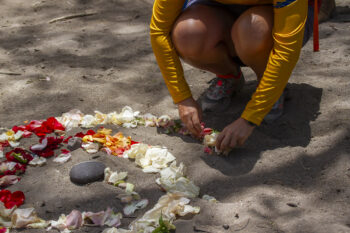
The petals were then carried to the river and released into the current, sending those intentions downstream and connecting waterways from around the world. Waterkeepers may protect different waterways and come from different countries, but their shared connection to water, and the responsibility to protect it, is universal.
Honoring a Waterkeeper Legacy
The conference also offered a moving reminder that protecting water can become a family legacy. Members of the Chambers family shared the story of their late patriarch, Rafael Chambers, who founded Guayllabamba Waterkeeper and dedicated his life to protecting his community’s water. His legacy continues today through his sons, Pablo and Patricio, granddaughters Maria Clara and Ana Isabella Justicia, and other members of the family.
The moving tribute was later followed by a special Latina fiesta celebrating Rafael’s life and the Ecuadorian community and culture he represented. With live music, dancing, and a spirit of celebration, the gathering was both a tribute and a reflection of the community that carries his work forward.
Their story captured something fundamental about the Waterkeeper movement: protecting water is not simply a campaign or a career. For many, it becomes a responsibility carried from one generation to the next: a legacy rooted in family, community, and love for place.
Celebrating Waterkeepers at the Middle of the World
The final day took attendees to Mitad del Mundo, or “Middle of the World,” just outside Quito. There, Waterkeepers explored the grounds, sampled local chocolates, enjoyed a traditional Ecuadorian lunch, and watched an Ecuadorian dance performance courtesy of Dr. Arteaga.
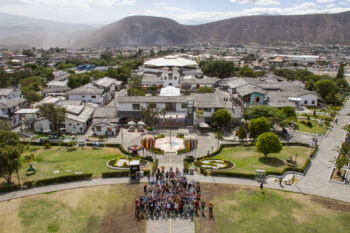
The setting was fitting for one of the conference’s most meaningful moments: the presentation of the 2026 Terry Backer Awards. This year’s recipients were Mark Mattson, former Lake Ontario Waterkeeper and founder of Swim Drink Fish in Canada, and Potomac Riverkeeper Dean Naujoks of the United States.
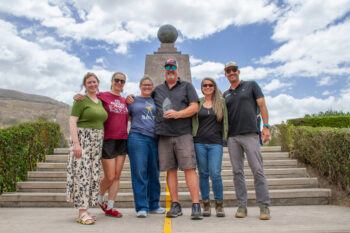
The awards honor the legacy of the late Terry Backer, a legendary Waterkeeper Alliance founder and the original Long Island Soundkeeper, and recognize Waterkeepers who exemplify his spirit, grit, and determination.
A Movement That Keeps Moving
After returning to Quito, the movement-wide Membership Gathering focused in significant part on data centers and their impacts on water resources. The discussion built on input gathered from Waterkeeper groups before the conference and created an opportunity to hear directly from members about their needs and opportunities for coordinated action.
The meeting also included the presentation of the inaugural international Shen Kuo Science Communication Award | Global Water Science Education Award.
Established in 2025 by the Zhejiang Shen Kuo Science Communication Foundation, the awards recognize people, projects, and teams advancing science communication. Waterkeeper Alliance nominated outstanding Waterkeeper groups from each global region, with nominees evaluated on experiential learning, methodological innovation, and societal impact.
Katherine Olsen, Qiantang River Waterkeeper, presented awards to Brantas River Waterkeeper in Indonesia and Ottawa Riverkeeper in Canada.
Brantas River Waterkeeper engages students through biomonitoring, microplastic research, and direct observation of river health. Its River Detective program gives students opportunities to investigate pollution, assess aquatic ecosystems, and advocate for stronger river protections.
Ottawa Riverkeeper connects learners of all ages with the watershed through programs including River School, Learning Lab, Youth Water Leaders, and its community science network. Its Watershed Report Card and Open Data Portal make environmental data accessible to communities, educators, and decision-makers.
That evening, attendees boarded open-air tour buses for a final nighttime tour of Quito’s historic Old Town.

It was a fitting ending to a week that had taken Waterkeepers from classrooms to rivers, from discussions about pollution control to a community minga, and from Ecuador’s Rights of Nature to celebrations of the people who have helped build the Waterkeeper movement.
Most importantly, the conference reminded us that the strength of this movement comes from its people.
Every Waterkeeper brings knowledge of their own waterbody, community, and challenges. When those experiences are shared, they become collective knowledge. And collective knowledge becomes collective action.
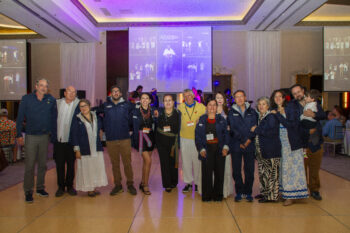
A special thank you to Guayllabamba Waterkeeper Patricio Chambers and his family—including his daughter, Maria Clara Chambers; his brother, Pablo Chambers, president of Guayllabamba Waterkeeper; his niece, Ana Isabella Justicia Chambers; and the many other family members who helped organize the conference and warmly welcome Waterkeepers. from around the world.
Thank you as well to everyone who shared their knowledge, opened their communities to us, and helped make this gathering possible.
And to everyone supporting this work from afar: you are part of this gathering, too. Your generosity helps bring Waterkeepers together from around the world, strengthens the movement, and turns shared knowledge into action in communities everywhere.
From Quito to the San Pedro River, and from the Middle of the World to waterways around the globe, the work continues.