
Dow Site in Texas a Hotspot for Plastic Pellet Pollution
By: Waterkeeper Alliance
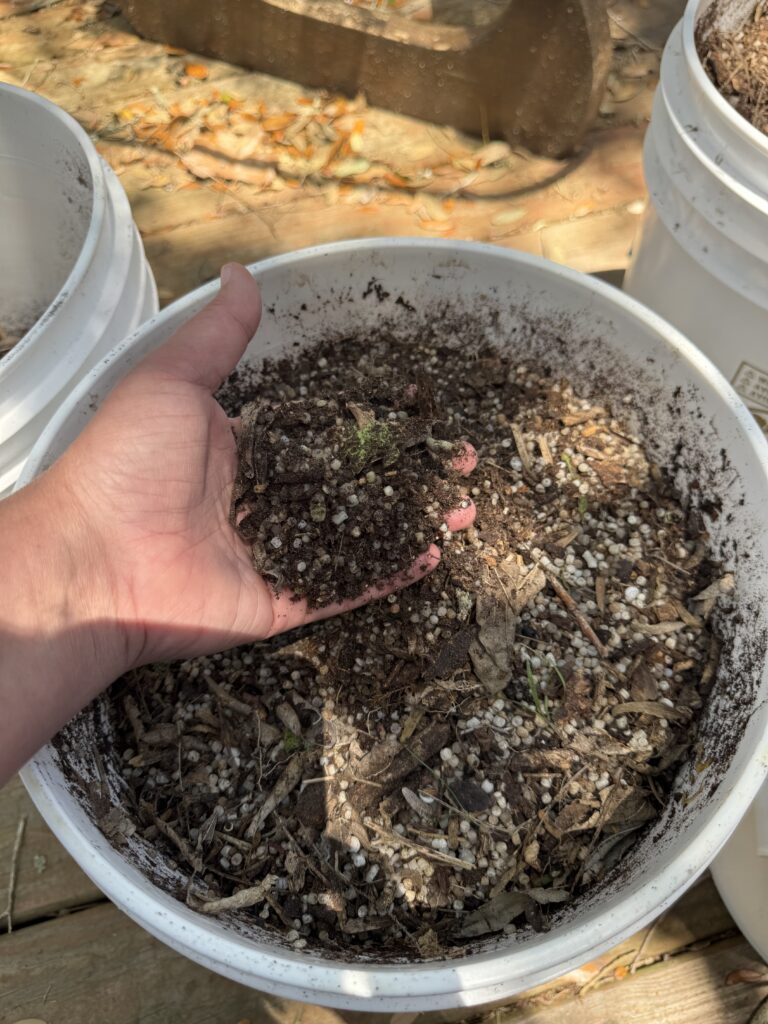
Early results from the second annual International Plastic Pellet Count show significant plastic pellet pollution at sites across the United States and four countries, including a major hotspot near Dow’s Seadrift Operations Facility in Texas.
The month-long effort, organized by Waterkeeper Alliance and a growing coalition of environmental and service organizations, mobilizes Waterkeeper groups and community volunteers to document plastic pellet pollution in local waterways. It kicked off this past weekend and aims to reach 500 organized events throughout May.
Already, the results have brought the ongoing plastic pollution crisis into sharper focus. In the opening weekend, a staggering 731,552 plastic pellets were documented in the Nurdle Patrol database from 114 events—nearly 15 times last year’s final reported total.
Waterkeeper groups recovered 715,462 (97.8%) of those pellets, including 715,000 collected by San Antonio Bay Estuarine Waterkeeper along the Victoria Barge Canal near the Dow Seadrift Operations Facility in just 10 minutes.
The Victoria Barge Canal, which flows into San Antonio, Mission, and Guadalupe Bays, already contains well-documented and widespread plastic pollution. Ongoing monitoring by San Antonio Bay Estuarine Waterkeeper has revealed the scale of contamination: approximately two million pellets were collected near Dow’s barge docks in a single day in December 2025, with additional large volumes documented during rapid sampling efforts this past weekend.
These findings come as Dow Inc. and its subsidiary Union Carbide Corporation have submitted a request to weaken their existing permit language, which currently limits “floating solids” to trace amounts in its wastewater discharge. However, even with this current limitation, pellet pollution rates near the facility are already incredibly high.
Waterkeeper Alliance recently called on Dow Inc. to withdraw its proposed permit changes and adopt zero-discharge limits for plastic pellets, powder, and flakes at the Seadrift Operations Facility. These concerns were underscored in a separate letter from San Antonio Bay Estuarine Waterkeeper, co-signed by 56 organizations, calling for permit withdrawal and stronger protections to prevent further pollution in the Victoria Barge Canal and surrounding bays.
“For decades, plastic pollution has been flowing from this plant into our waterways—ending up in our bays, our shorelines, and in the fish, birds, and oysters that call these waters home,” said Diane Wilson, San Antonio Bay Estuarine Waterkeeper and renowned activist who won the largest U.S. Clean Water Act settlement against the plastics industry. “No more. The line is drawn and we demand zero discharge of plastic.”
Plastic pellets, also known as nurdles, are spilled during manufacturing and transport as well as released through permitted industrial discharges, choking waterways and adding to an estimated 10 trillion pellets entering the ocean each year. These annual counts help increase understanding of how this pollution spreads over time, particularly near high-concentration sites where these materials are manufactured, used, or transported.
This critical data also supports stronger policies and corporate accountability for widespread, preventable plastic pollution. Decisionmakers in some communities are acting to tackle this crisis. Last month, Colorado Gov. Jared Polis signed the Plastic Pellet-Free Waters Act into law, making Colorado the most recent state to ban the dumping of plastic pellets. Organizers say this year’s count could help further galvanize local, state, and national leaders to take additional steps to address the issue.
“When you can collect hundreds of thousands of plastic pellets in just minutes, it shows how serious this pollution has become and it raises real questions about accountability in how it’s being permitted and controlled,” added Marc Yaggi, CEO of Waterkeeper Alliance. “As this month-long count continues, these early findings reinforce the need for zero-discharge standards to stop this pollution at the source.”
The International Plastic Pellet Count will continue throughout May, with additional events organized by Waterkeeper groups across the United States, Senegal, and Australia. A 2026 report will be published following analysis of this year’s findings. In addition to Waterkeeper Alliance, other coalition partners include the American Bird Conservancy, Environment America Research and Policy Center, Environmental Action, Nurdle Patrol, Oceana, Surfrider Foundation, U.S. PIRG Education Fund, and 5 Gyres.
Here’s how to sign up, collect pellets, and report your data.